Buy meldestelle.eu ?
We are moving the project
meldestelle.eu .
Are you interested in purchasing the domain
meldestelle.eu ?
domain@kv-gmbh.de · 0541-91531010
Buy meldestelle.eu ?
Can the residents' registration office disclose information or my address to third parties?
The residents' registration office is typically bound by data protection laws and regulations that restrict the disclosure of personal information to third parties without the individual's consent. In most cases, the office can only disclose information or address to third parties if there is a legal basis for doing so, such as a court order or a specific legal requirement. However, it's important to check the specific laws and regulations in your jurisdiction to understand the exact rules and limitations regarding the disclosure of personal information by the residents' registration office. **
What are the characteristics of the first person and third person forms when writing a book?
The first person form in writing a book involves the use of "I" or "we" as the narrator, providing a direct and personal perspective. This form allows for a deep exploration of the narrator's thoughts, feelings, and experiences. On the other hand, the third person form uses "he," "she," or "they" as the narrator, providing a more objective and distant perspective. This form allows for a broader view of the story, including multiple characters' thoughts and experiences. Both forms have their own advantages and can create different effects on the reader. **

Similar search terms for Third-person
Top-Angebote
Products related to Third-person:
-
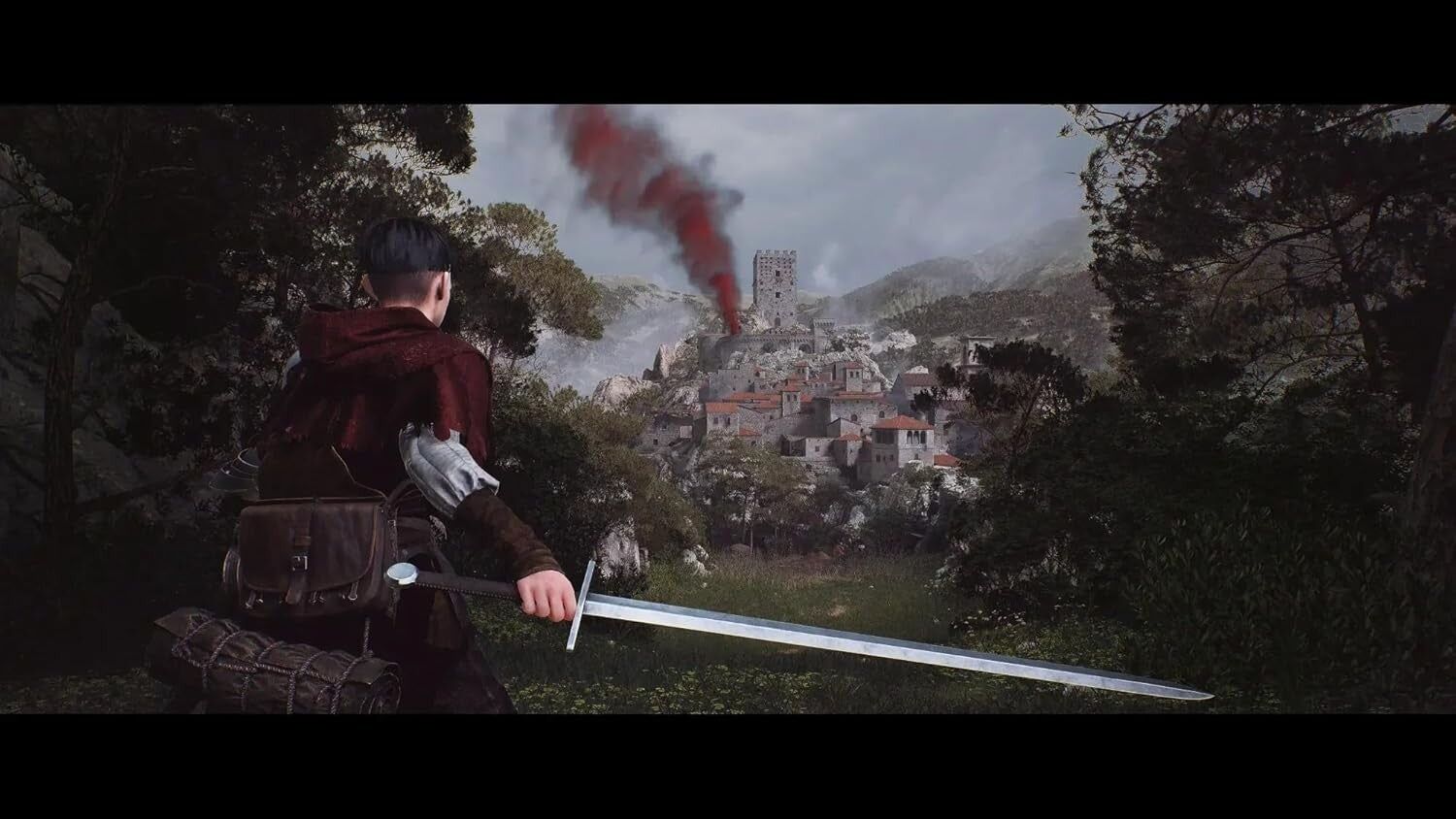
Meridiem Games 1348 Ex Voto Limited Edition for PlayStation 5 - Third-Person Action-Adventure Game with Sword Combat and HEMA Techniques - NewEnter a turbulent vision of 14th-century Italy in 1348 Ex Voto, a cinematic third-person action-adventure game for PlayStation 5. You play as Aeta, a young knight errant searching for her kidnapped companion, Bianca. Her journey takes her across a land fractured by political conflict, banditry, religious fanaticism, and the spread of plague. Master the art of sword combat, inspired by historical European martial arts, and switch between one-handed and two-handed fighting stances. Discover skill books to unlock new combinations and adapt Aeta's sword techniques as the dangers intensify. Explore villages, castles, the Apennines, and ancient ruins, and uncover the secrets of this troubled land. The game includes a letter from Aeta and downloadable digital artbook content. PEGI 16 rating. Requires a PlayStation 5 console and internet connection.31,86 £*Shipping: 3,95 £Secure redirect to the provider



-
What is an omniscient third-person narrator?
An omniscient third-person narrator is a storytelling technique where the narrator is not a character in the story, but has access to the thoughts, feelings, and perspectives of all the characters in the story. This type of narrator has a god-like knowledge of the events and characters in the story, and can provide insight into multiple characters' motivations and actions. The omniscient narrator can move freely through time and space, and can provide a comprehensive and objective view of the story. **
-
What is a trauma in the third person?
A trauma in the third person refers to an event or experience that has caused significant distress or harm to someone else. It is an external perspective on the impact of a traumatic event on an individual, focusing on the observable symptoms and behaviors that result from the trauma. This perspective allows for a more objective understanding of how trauma can affect others and the importance of providing support and empathy to those who have experienced trauma. **
-
How can one speak in the third person?
Speaking in the third person involves referring to oneself by one's own name or using pronouns such as "he," "she," or "they" instead of "I" or "me." This can create a sense of objectivity or detachment in communication. To speak in the third person, one simply needs to practice using these alternative forms of self-reference in conversation or writing. It may feel awkward at first, but with practice, it can become a natural way of expressing oneself. **
-
From which country does the third person come?
The third person comes from France. **


Why are novels written in the third person?
Novels are often written in the third person to provide a broader perspective and allow the author to explore multiple characters' thoughts and experiences. This narrative style can create a more objective and balanced portrayal of the story's events, as it allows the author to delve into the minds of different characters and present their viewpoints. Additionally, writing in the third person can create a sense of distance between the author and the characters, allowing for a more impartial and observational tone. Overall, the third person narrative style offers authors more flexibility in storytelling and character development. **
How do you write in the third person?
When writing in the third person, the writer refers to characters by their names or pronouns such as "he," "she," or "they" instead of using "I" or "we." The narrator is not a character in the story and has an outside perspective on the events. This allows for a more objective and distant viewpoint compared to first-person writing. It is important to maintain consistency in the perspective throughout the writing to avoid confusion for the reader. **
Top-Angebote
Products related to Third-person:
-
Silver Lining Interactive Indika Standard Edition - Nintendo Switch Game Cartridge - Third-Person Adventure - PEGI 18Embark on a surreal journey of faith and self-discovery in Indika, a story-led third-person adventure for Nintendo Switch. Set in a distorted vision of late 19th-century Russia, you'll follow a young nun as she leaves the confines of monastery life and begins an unsettling personal odyssey, accompanied by the unexpected voice of the devil himself. Exploration, environmental puzzles, and dark humor combine with a striking narrative that examines faith, authority, and the conflict between inner conviction and harsh reality. The game features surreal three-dimensional environments, interwoven with distinctive pixel-art sequences that reveal fragments of Indika's troubled past. This physical standard edition for Nintendo Switch also includes the game soundtrack.33,09 £*Shipping: 3,95 £Secure redirect to the provider
-
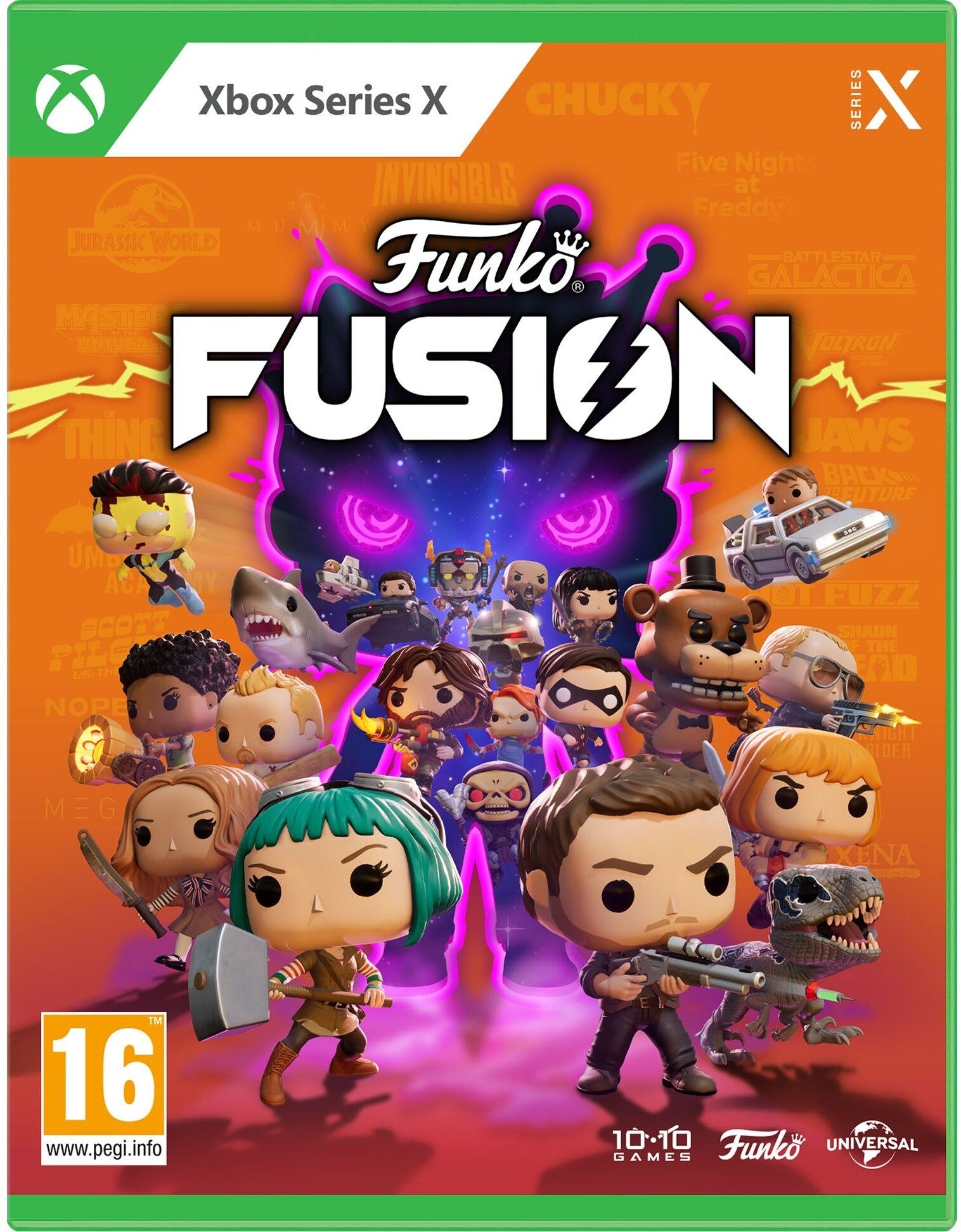
10:10 Games Funko Fusion for Xbox Series X (Disc) - New - Third-Person Action-Adventure GameExplore a playful pop-culture crossover in Funko Fusion, a third-person action-adventure game developed by 10:10 Games. This game features worlds inspired by well-known films, television series, comics, and games, all recreated with the distinctive look of Funko Pop! characters. Unlock and switch between more than 60 playable characters drawn from over 20 franchises, each bringing different abilities, weapons, and approaches to combat, exploration, and puzzle-solving. Key features include journeying through handcrafted levels filled with secrets and collectables, combining ranged attacks, close combat, gadgets, and character abilities, and visiting worlds inspired by Jurassic World, Back to the Future, Jaws, The Thing, and more. You can play solo or join online cooperative adventures with up to four players. This physical edition is optimised for Xbox Series X and is supplied on disc.13,87 £*Shipping: 3,95 £Secure redirect to the provider
-
Meridiem Games 1348 Ex Voto Limited Edition for PlayStation 5 - Third-Person Action-Adventure Game with Sword Combat and HEMA Techniques - NewEnter a turbulent vision of 14th-century Italy in 1348 Ex Voto, a cinematic third-person action-adventure game for PlayStation 5. You play as Aeta, a young knight errant searching for her kidnapped companion, Bianca. Her journey takes her across a land fractured by political conflict, banditry, religious fanaticism, and the spread of plague. Master the art of sword combat, inspired by historical European martial arts, and switch between one-handed and two-handed fighting stances. Discover skill books to unlock new combinations and adapt Aeta's sword techniques as the dangers intensify. Explore villages, castles, the Apennines, and ancient ruins, and uncover the secrets of this troubled land. The game includes a letter from Aeta and downloadable digital artbook content. PEGI 16 rating. Requires a PlayStation 5 console and internet connection.31,86 £*Shipping: 3,95 £Secure redirect to the provider
-
Can the residents' registration office disclose information or my address to third parties?
The residents' registration office is typically bound by data protection laws and regulations that restrict the disclosure of personal information to third parties without the individual's consent. In most cases, the office can only disclose information or address to third parties if there is a legal basis for doing so, such as a court order or a specific legal requirement. However, it's important to check the specific laws and regulations in your jurisdiction to understand the exact rules and limitations regarding the disclosure of personal information by the residents' registration office. **
-
What are the characteristics of the first person and third person forms when writing a book?
The first person form in writing a book involves the use of "I" or "we" as the narrator, providing a direct and personal perspective. This form allows for a deep exploration of the narrator's thoughts, feelings, and experiences. On the other hand, the third person form uses "he," "she," or "they" as the narrator, providing a more objective and distant perspective. This form allows for a broader view of the story, including multiple characters' thoughts and experiences. Both forms have their own advantages and can create different effects on the reader. **
-
What is an omniscient third-person narrator?
An omniscient third-person narrator is a storytelling technique where the narrator is not a character in the story, but has access to the thoughts, feelings, and perspectives of all the characters in the story. This type of narrator has a god-like knowledge of the events and characters in the story, and can provide insight into multiple characters' motivations and actions. The omniscient narrator can move freely through time and space, and can provide a comprehensive and objective view of the story. **
-
What is a trauma in the third person?
A trauma in the third person refers to an event or experience that has caused significant distress or harm to someone else. It is an external perspective on the impact of a traumatic event on an individual, focusing on the observable symptoms and behaviors that result from the trauma. This perspective allows for a more objective understanding of how trauma can affect others and the importance of providing support and empathy to those who have experienced trauma. **
Similar search terms for Third-person
-
How can one speak in the third person?
Speaking in the third person involves referring to oneself by one's own name or using pronouns such as "he," "she," or "they" instead of "I" or "me." This can create a sense of objectivity or detachment in communication. To speak in the third person, one simply needs to practice using these alternative forms of self-reference in conversation or writing. It may feel awkward at first, but with practice, it can become a natural way of expressing oneself. **
-
From which country does the third person come?
The third person comes from France. **
-
Why are novels written in the third person?
Novels are often written in the third person to provide a broader perspective and allow the author to explore multiple characters' thoughts and experiences. This narrative style can create a more objective and balanced portrayal of the story's events, as it allows the author to delve into the minds of different characters and present their viewpoints. Additionally, writing in the third person can create a sense of distance between the author and the characters, allowing for a more impartial and observational tone. Overall, the third person narrative style offers authors more flexibility in storytelling and character development. **
-
How do you write in the third person?
When writing in the third person, the writer refers to characters by their names or pronouns such as "he," "she," or "they" instead of using "I" or "we." The narrator is not a character in the story and has an outside perspective on the events. This allows for a more objective and distant viewpoint compared to first-person writing. It is important to maintain consistency in the perspective throughout the writing to avoid confusion for the reader. **
* All prices are inclusive of VAT and, if applicable, plus shipping costs. The offer information is based on the details provided by the respective shop and is updated through automated processes. Real-time updates do not occur, so deviations can occur in individual cases. ** Note: Parts of this content were created by AI.